If you're an Indian student planning to start college or university in Canada in 2026, one number keeps following you around: 309,670. That's the ceiling Immigration, Refugees and Citizenship Canada (IRCC) has placed on how many study-permit applications it will accept into processing this year.
Coverage from Indian education agencies often blurs it together with a second, larger figure — 408,000 — and the two mean very different things. This guide breaks down what the 2026 cap actually restricts, how the spaces are split between provinces, who's now exempt, and how a family from India should plan around it.
Key Takeaways
- IRCC will accept only 309,670 study-permit applications into processing in 2026 — applicants who need a Provincial Attestation Letter (IRCC, November 2025).
- Separately, IRCC expects to issue up to 408,000 study permits in 2026: about 155,000 to new arrivals and 253,000 as extensions for students already in Canada.
- The 2026 issuance target is 16% below the 2024 target of 485,000 and 7% below 2025's 437,000.
- Ontario received 104,780 application spaces for 2026 — roughly 70,000 permits — the largest provincial share.
- From January 1, 2026, master's and doctoral students at public universities no longer need a PAL; Indian undergraduate and college applicants still do.
What Is Canada's 2026 Study Permit Cap, and How Big Is It?
Canada's 2026 study permit cap limits IRCC to accepting 309,670 new study-permit applications into processing over the calendar year, down from the space that supported roughly 437,000 permits in 2025 (IRCC, November 2025). The cap applies only to applicants who need a Provincial Attestation Letter (PAL) or Territorial Attestation Letter — which is almost every Indian student heading to a college or undergraduate program.
Some applications don't count against the cap. Study-permit extensions for students already in Canada are outside it, as are most primary and secondary school students and, new for 2026, master's and doctoral students at public institutions. Everyone else draws from the 309,670 pool.
Here's the part that trips families up. The cap is an application ceiling, not an admissions quota. Once IRCC receives 309,670 eligible applications, it stops accepting new ones until the next calendar year — regardless of how many are eventually approved. The provinces then decide how their slice of that pool gets handed out through PALs.
How Is the 2026 Cap Different From 2024 and 2025?
The 2026 target to issue up to 408,000 study permits is 7% below the 2025 target of 437,000 and 16% below the 2024 target of 485,000 (IRCC, November 2025). Canada has tightened the international student intake for three years running, and 2026 continues that line rather than breaking from it.
The stock of students in the country has already dropped. The number of study-permit holders in Canada fell from more than one million in January 2024 to about 725,000 by September 2025 (IRCC, November 2025). So does 2026 mark the bottom? Nobody at IRCC has said so, and the three-year trend gives no reason to assume it.
For a full picture of what a year in Canada now costs alongside these rules, see our breakdown of how much it costs to study in Canada from India in 2026.
How Many Study Permit Spaces Does Ontario Get in 2026?
Ontario received 104,780 application spaces for 2026, which IRCC estimates will produce roughly 70,074 issued permits — the largest allocation of any province (IRCC, November 2025). Quebec received 93,069 spaces and British Columbia 32,596. Each jurisdiction's share was set using its own average approval rate across 2024 and 2025.
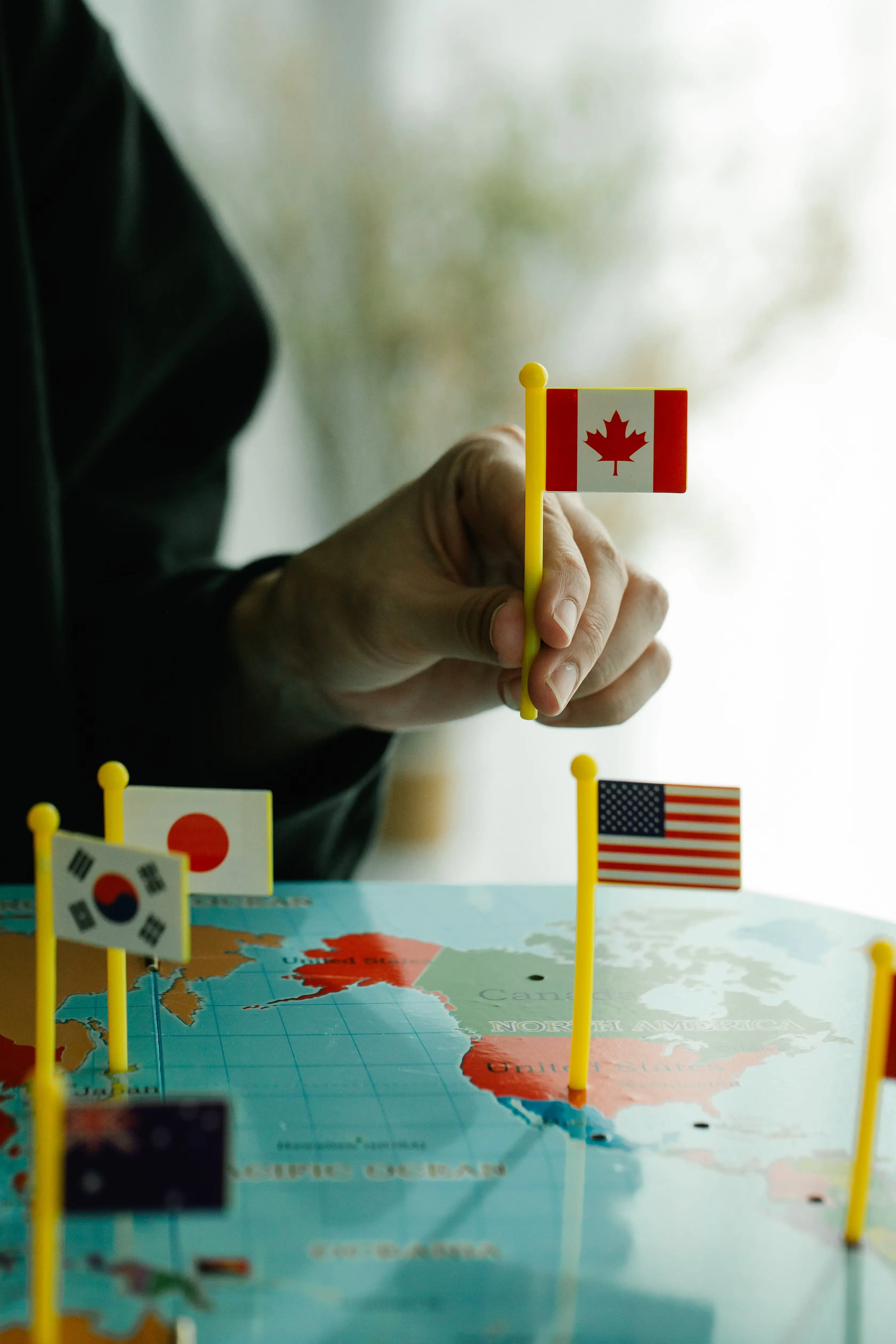
Ontario is home to most of the colleges and universities Indian applicants target, which is why its allocation matters more to this audience than the province's size alone would suggest. If you're weighing schools, our guide to the best colleges and universities in Ontario for Indian students covers where the demand actually concentrates.
Does the Cap Change Who Needs a Provincial Attestation Letter (PAL)?
From January 1, 2026, master's and doctoral students at public designated learning institutions are exempt from the PAL requirement (IRCC, November 2025). Indian students in college diplomas, bachelor's programs, and most other categories still need a PAL from the province where they'll study — and that PAL is drawn from the province's capped allocation.
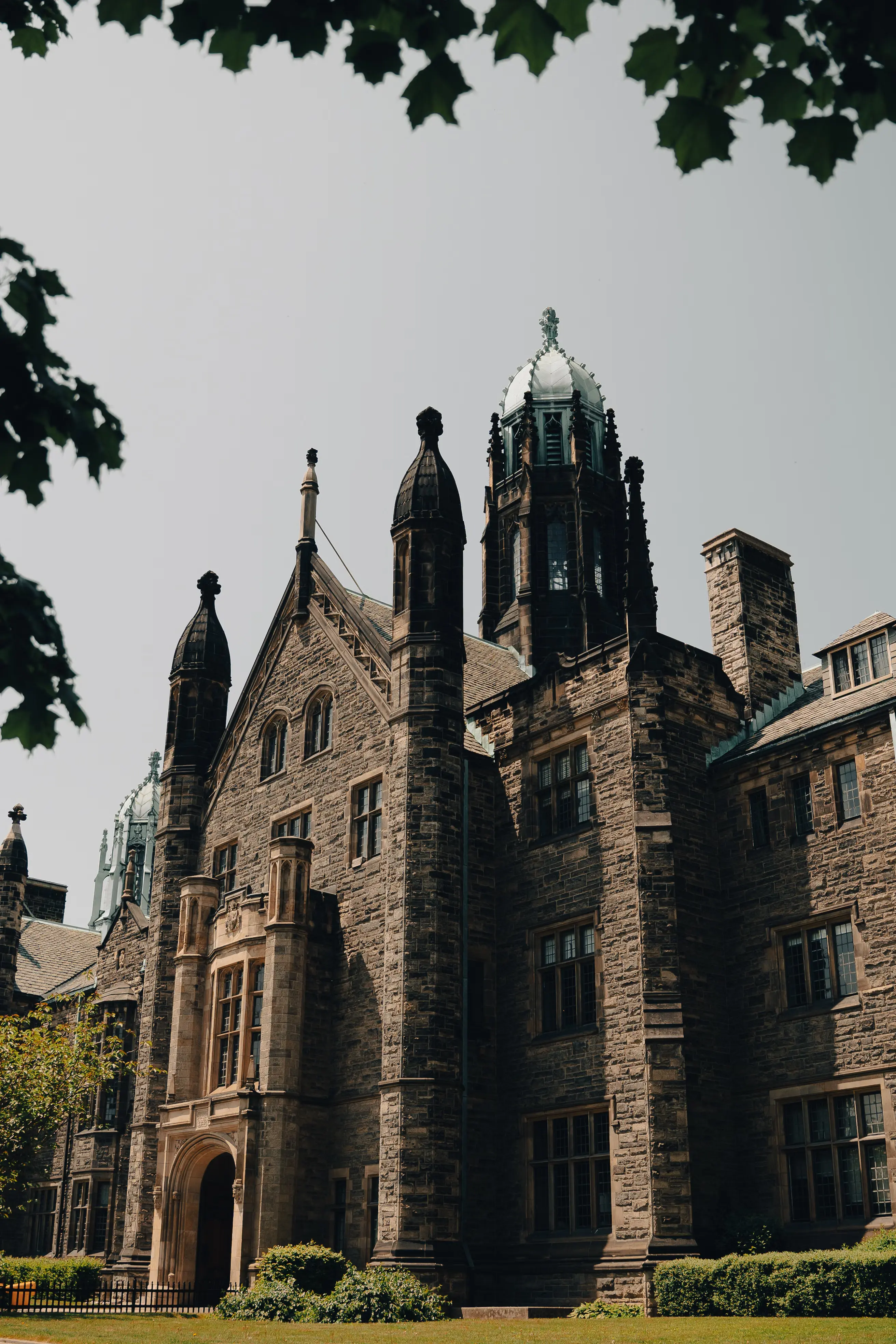
The exemption sounds like relief for Indian applicants, but it mostly helps graduate students — a thin slice of the India-to-Canada pipeline, which skews heavily toward college diploma programs. For the typical applicant from India, the PAL step in 2026 works exactly as it did in 2025: your institution requests it, the province issues it from its quota, and you can't file a complete application without it.
The mechanics of getting one haven't changed either. Our full guide to the Provincial Attestation Letter for Indian students walks through who is exempt, how the request works, and what to check before you submit.
What Does the Cap Mean for Your Approval Odds as an Indian Applicant?
The cap limits volume, not your individual approval rate — but both have moved against Indian applicants at the same time. Canada's approval rate for new post-secondary study permits fell to about 35.7% in 2025, from 44.9% in 2024 and 57.9% in 2021 (ICEF Monitor, citing IRCC, April 2026). India's share of incoming international students dropped from 51.6% in 2023 to 8.1% by September 2025 (Office of the Auditor General of Canada, March 2026).
A smaller cap doesn't automatically mean lower odds for a well-prepared applicant. The Auditor General of Canada found that IRCC couldn't fully explain why its approval rates dropped below its own projections — the decline tracked the end of the Student Direct Stream and tighter fraud screening, not a deliberate country-by-country squeeze (The PIE News, March 2026). Strong, verifiable documentation matters more now, not less.
You'll see headlines claiming an "80% rejection rate" for Indian students. The defensible figure is narrower: India's refusal rate ran about 71% over January to July 2025, against a 58% all-country average (ICEF Monitor, September 2025). High, but not the number circulating on social media.
How Should Indian Families Plan Around the 2026 Cap?
Because the cap is filled on a first-come basis, timing is the lever you control most directly. A complete application filed early in the intake cycle beats a stronger application filed late, once a province's allocation runs low. Four steps matter most.
Apply Early in the Intake Cycle
Submit a complete application as soon as your admission and PAL are in hand. Waiting a month can mean applying against a province's shrinking allocation.
Lock In Your Provincial Attestation Letter
Your designated learning institution requests the PAL. Confirm the province has actually issued it before you file, since it comes from the capped pool.
Show Your Funds Without Ambiguity
Prove at least CAD $22,895 in first-year living costs for a single applicant outside Quebec, on top of tuition and travel. A GIC is optional since the Student Direct Stream closed, but your proof of funds must be clear.
Build In Processing Time
Study-permit processing from India ran roughly 8 to 12 weeks through 2026. Check IRCC's live processing-times tool before you book flights or commit to housing.
Housing is the other piece worth sorting before you land. Our guide to student housing in Mississauga and the GTA covers what on-campus, homestay, and rental options actually cost. Students who do arrive can also work while studying in Canada within set hour limits.
Frequently Asked Questions: Canada's 2026 Study Permit Cap
What is Canada's study permit cap for 2026?
IRCC will accept 309,670 study-permit applications into processing in 2026, covering applicants who need a Provincial Attestation Letter. That is the pool of spaces that supported roughly 437,000 permits in 2025. Extensions and most master's and doctoral applicants sit outside the cap (IRCC, November 2025).
Is the 2026 study permit cap 309,670 or 408,000?
Both numbers are real but describe different things. 309,670 is the limit on new applications IRCC will accept into processing. 408,000 is the separate target for study permits actually issued in 2026, and it includes about 253,000 extensions for students already in Canada (IRCC, November 2025).
How many study permits will Ontario issue in 2026?
Ontario received 104,780 application spaces for 2026, which IRCC estimates will translate to roughly 70,074 issued permits, the largest allocation of any province. Quebec received 93,069 spaces and British Columbia 32,596 (IRCC, November 2025).
Do Indian students still need a Provincial Attestation Letter in 2026?
Yes, for almost all of them. Since January 1, 2026, only master's and doctoral students at public institutions are exempt. Indian students in college diploma and bachelor's programs still need a PAL from their study province, drawn from that province's capped allocation (IRCC, November 2025).
Does the study permit cap lower my chances of approval?
Not directly. The cap limits how many applications are processed, not the approval rate. However, Canada's new post-secondary approval rate fell to about 35.7% in 2025 from 57.9% in 2021, so complete and verifiable documentation matters more than in earlier years (ICEF Monitor, April 2026).
The 2026 cap is smaller than 2025's, and the noise around it is louder than the policy itself. For an Indian family, the practical points are narrow: the ceiling is on applications, not admissions; Ontario still holds the largest share; and the biggest lever you control is a clean, early, well-documented file. Sort the PAL and the funds first, then submit — the calendar matters more this year than it used to.