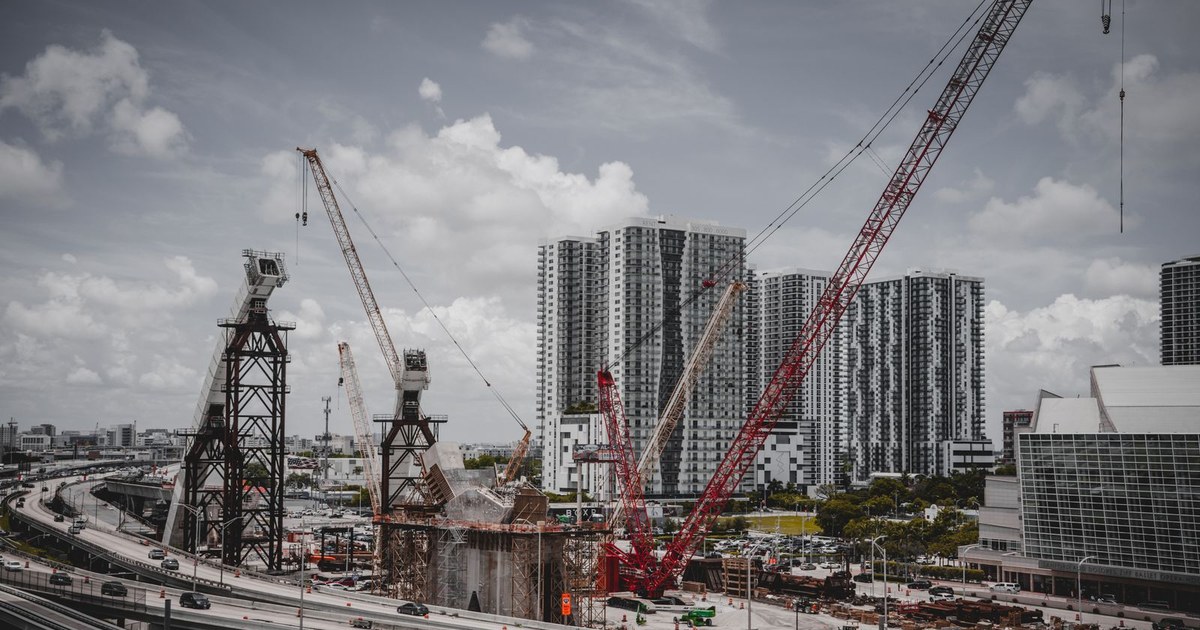
In the space of three weeks this August, Ontario founders went from watching a tariff threat to living with an escalating 50% U.S. duty on many Canadian goods, a $7.5 billion federal relief package, and roughly $27.6 billion in Canadian counter-tariffs due to land September 8.
If you run a small business here — especially a newcomer-run one without a deep cash reserve — the noise is loud and the practical question is narrow: what can you actually claim, and what should you do this month? Here's the plain version.
Key Takeaways
- 40% of Canadian small exporters sell products hit by the proposed 50% U.S. tariff; of those, 77% expect revenue to fall and 35% expect a drop of 50% or more (CFIB, August 2026).
- Ottawa announced a $7.5 billion tariff-relief package on August 25, 2026, spanning workforce support, a diversification fund, regional grants, and BDC financing.
- The CEBA repayment deadline is December 31, 2026 — unpaid balances convert to a 5% term loan and lose the forgivable portion.
- As of Q3 2026, 72.6% of Canadian businesses are optimistic about the year ahead, yet 68.1% expect sales to stay flat or fall (Statistics Canada, August 2026).
- The Bank of Canada has held its policy rate at 2.25%, so cheaper borrowing is not coming to the rescue.
What Changed for Ontario Small Businesses in August 2026?
Four things landed in quick succession. On August 12, 2026, the Canadian Federation of Independent Business reported that 40% of small exporters sell products caught by the proposed 50% U.S. tariff (CFIB, August 2026). On August 25 the federal government announced a $7.5 billion relief package plus counter-tariffs. On August 31, Statistics Canada released its Q3 Business Conditions data. And on September 2, the Bank of Canada held its rate at 2.25%.
The confidence picture is genuinely split. As of Q3 2026, 72.6% of Canadian businesses said they were optimistic about the next 12 months, up from 66.8% in Q2 — but 68.1% also expected sales to stay flat or decline, up from 60.7% (Statistics Canada, August 2026). Optimism about survival, caution about growth.
How Hard Are the New U.S. Tariffs Hitting Small Exporters?
Among the 40% of small exporters exposed to the proposed 50% tariff, 77% expect revenue to fall, 35% expect a decline of 50% or more, and 5% expect their affected revenue to disappear entirely (CFIB, survey of 1,833 businesses, August 2026). For a firm with one big U.S. customer, that's not a rough quarter — it's an existential question.
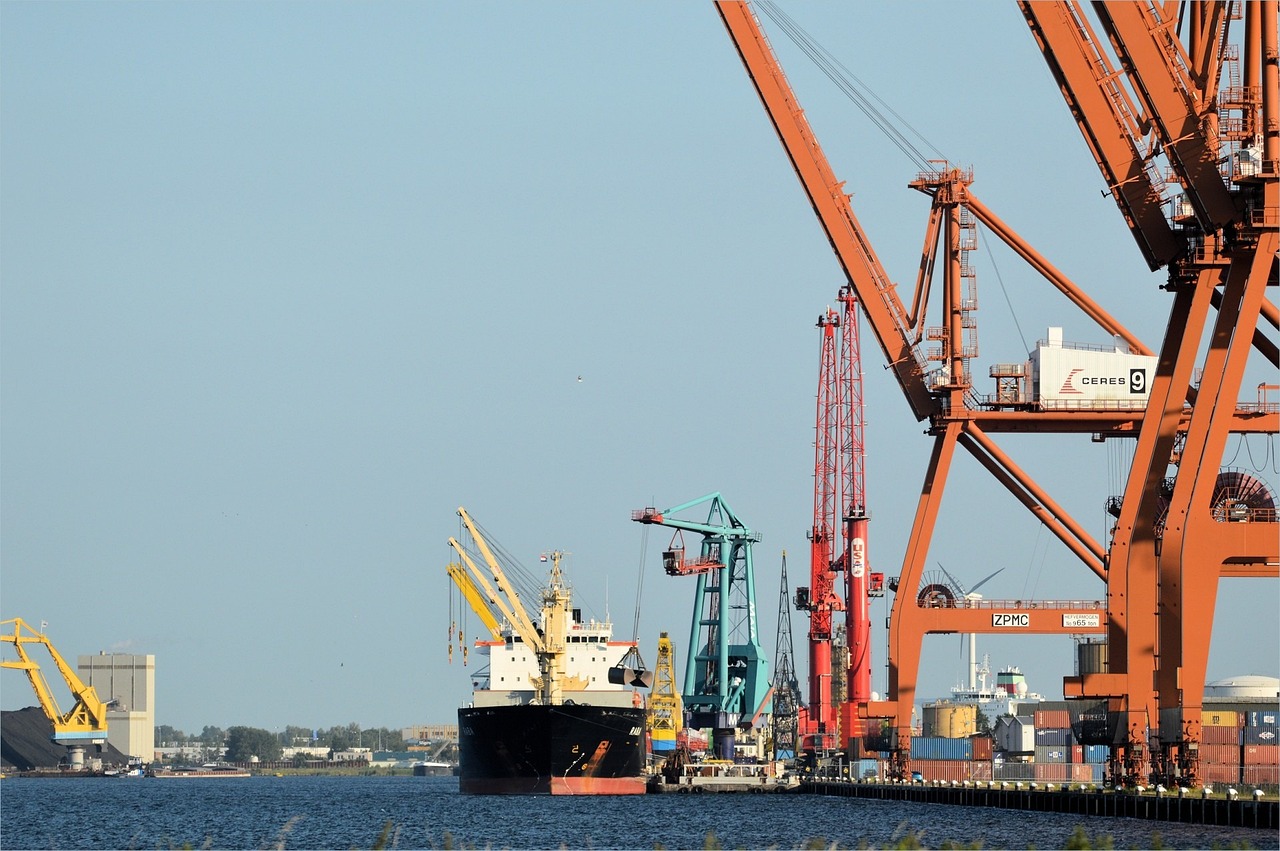
Non-exporters aren't spared either. As of Q2 2026, 32.6% of small businesses reported a negative hit from U.S. tariffs and 33.4% from Canada's own counter-tariffs (Statistics Canada, June 2026). If you import components, packaging, or equipment from the U.S., the counter-tariffs raise your costs whether or not you sell a single thing across the border.
What's in Ottawa's $7.5 Billion Tariff-Relief Package?
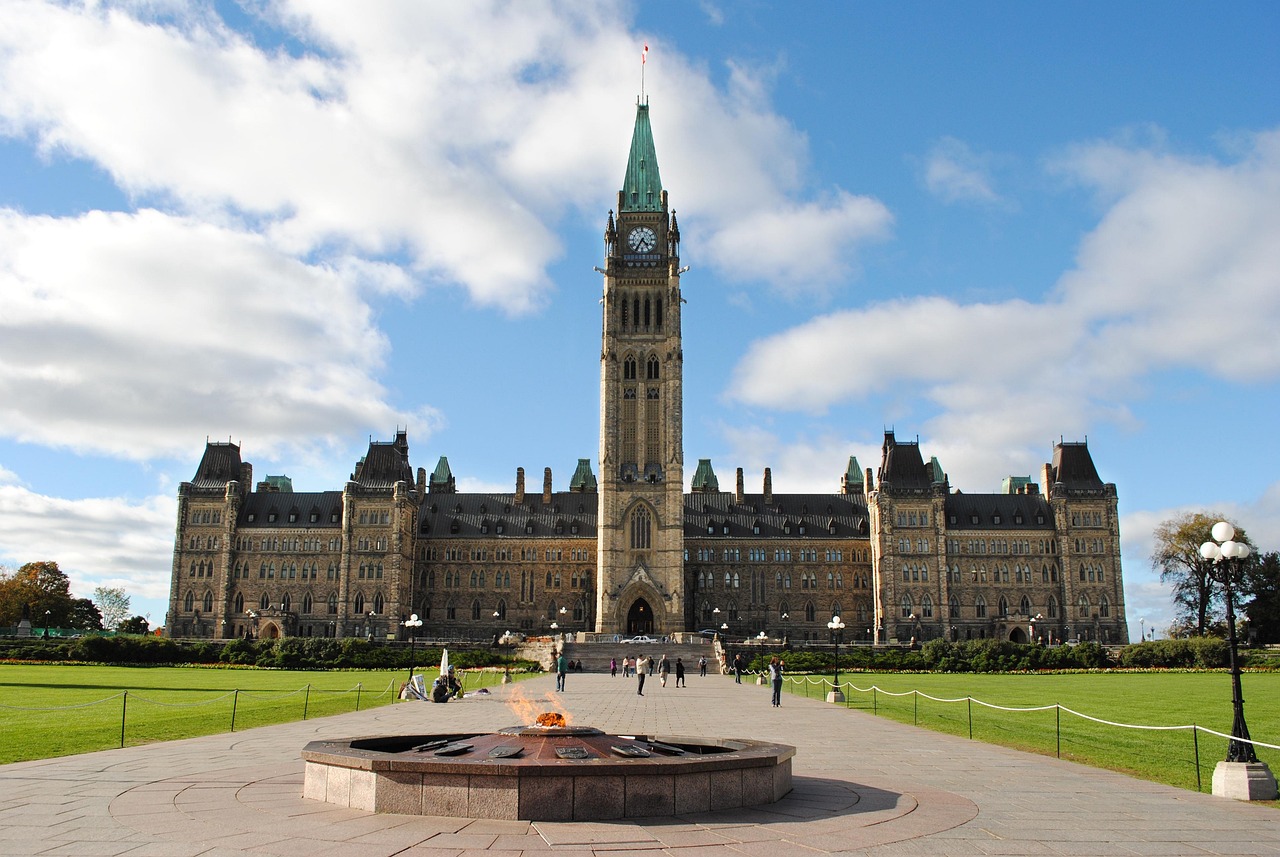
The federal government's August 25, 2026 announcement set out roughly $3.5 billion for workforce and EI rapid-response measures, $2.0 billion for a Canada Strong Diversification Fund, a $1.5 billion top-up to the Regional Tariff Response Initiative, and $0.5 billion routed through the Business Development Bank of Canada (Department of Finance Canada, August 2026).
For context on how this stacks against other recent Ontario cost changes, our breakdowns of the 2026 small business tax rate cut and the October 2026 minimum wage increase cover the other two numbers moving your margins this year.
Which Relief Programs Can an Ontario Small Business Actually Use?
Three programs are within realistic reach of a small Ontario firm, and each has a specific gate. The Ontario Together Trade Fund is the largest but the hardest to qualify for; BDC's expanded financing is the most accessible; and the Regional Tariff Response Initiative sits in between.
Ontario Together Trade Fund
Grants and loans up to $5 million per project, usually covering 10 to 20 percent of eligible costs. You need three or more years operating, five or more full-time employees, and a project investment of at least $200,000. Continuous intake since April 2025 (Government of Ontario, December 2025).
BDC "Pivot to Grow" Financing
A new $500 million stream of loans from $250,000 to $5 million, with up to 36 months interest-only. The minimum revenue requirement was lowered to $1 million to widen access for smaller firms (BDC, August 2026).
Regional Tariff Response Initiative
Delivered through the regional development agencies. The August package raised the maximum non-repayable contribution from $1 million to $3 million, aimed at firms adapting supply chains or shifting to new markets (Department of Finance Canada, August 2026).
Here's what the program list doesn't say out loud: nearly every one of these is built for a business that is investing its way out of the tariff hit — new equipment, a new market, a retooled supply chain. If your problem is simply that a U.S. customer stopped ordering and payroll is due Friday, the grant stack is a poor fit. The workforce-support and Work-Sharing measures are the part built for that, and they're worth asking your accountant about first.
Is the December 31, 2026 CEBA Deadline the Bigger Threat?
For many owners, yes. About 898,271 businesses were approved for Canada Emergency Business Account loans totalling $49.2 billion, and the final repayment deadline is December 31, 2026 (Government of Canada program data, via CFIB). Miss it, and the loan converts to a term loan at 5% interest — and the forgivable portion of up to $20,000 is gone.
The timing is the problem. A tariff-driven revenue dip and a hard loan deadline are arriving in the same quarter, for the same businesses, at a moment when the Bank of Canada is holding rates at 2.25% (Bank of Canada, September 2026) rather than cutting. So if the CEBA balance is looming, treat it as a September conversation with your lender, not a December one. Refinancing options thin out as the deadline gets closer.
How Should a Newcomer-Run Ontario Business Stress-Test Its Cash Flow Now?
The businesses that come through cost shocks in decent shape tend to do the same unglamorous things early. Running a multi-vertical family business through input-cost and currency swings, we've found the sequence matters more than any single move.
Map Your U.S. Exposure on Both Sides
List every dollar of revenue from U.S. customers and every dollar of cost from U.S. suppliers. Counter-tariffs hit the second list even if the first is empty.
Build a 13-Week Cash Flow Forecast
Not a budget — a week-by-week view of cash in and cash out through year-end, including the CEBA balance. This is the single tool that turns a vague worry into a decision.
Call Your Lender and Accountant in September
Ask about CEBA refinancing, Work-Sharing, and whether BDC's lowered $1 million revenue threshold now puts you in range. Early conversations get better terms.
Tighten Receivables Before You Cut Costs
Faster invoicing and firmer payment terms free up cash without shrinking the business. Automating reminders is a low-effort place to start.
None of this needs a consultant. It needs a spreadsheet, two phone calls, and the discipline to do them in September rather than November. Our guide to automating invoicing for small business in Canada covers step four in detail, and if the shock is prompting a structure rethink, sole proprietor vs. corporation in Ontario is the place to start.
Frequently Asked Questions: U.S. Tariffs and Ontario Small Business
Are U.S. tariffs affecting Canadian small businesses that don't export?
Yes, indirectly. As of Q2 2026, 32.6% of small businesses reported a negative impact from U.S. tariffs and 33.4% from Canada's counter-tariffs, largely through higher input costs and softer demand rather than lost export sales (Statistics Canada, June 2026).
What is in the federal government's $7.5 billion tariff-relief package?
The August 25, 2026 federal announcement set out roughly $3.5 billion for workforce and EI rapid-response measures, $2.0 billion for a Canada Strong Diversification Fund, a $1.5 billion top-up to the Regional Tariff Response Initiative, and $0.5 billion for BDC financing (Department of Finance Canada, August 2026).
Can a new or small Ontario business get the Ontario Together Trade Fund?
Only if it has operated at least three years, employs five or more full-time staff, and is investing at least $200,000 in the project. The fund typically covers 10 to 20 percent of eligible costs, up to $5 million per project (Government of Ontario, December 2025).
When is the CEBA loan repayment deadline?
December 31, 2026. About 898,271 businesses were approved for CEBA loans totalling $49.2 billion, and any balance unpaid after that date converts to a term loan at 5% interest, with the forgivable portion lost (Government of Canada program data).
Is Canada heading into a recession because of the trade war?
Forecasts disagree. In April 2025 the Financial Accountability Office of Ontario projected a modest recession; its February 2026 update was less severe, forecasting 1.4% real GDP growth for Ontario in 2026 with unemployment near 7.6% (FAO Ontario).
The trade war is loud, but the response that helps a small Ontario business is quiet and quick. Map your exposure on both sides of the border, build a 13-week cash flow forecast that includes the CEBA balance, and make the lender and accountant calls in September. The relief programs are real, but most reward businesses that are investing forward — so know which problem you're actually solving before you apply.